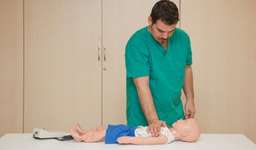
CSTF - Paediatric Immediate Life Support Level 3
Cost: £6.00
Paediatric Immediate Life Support Level 3 Online TrainingDevelop advanced paediatric emergency response knowledge and gain the confidence to respond effectively to critically ill infants and children within healthcare environments.
This CSTF - Paediatric Immediate Life Support Level 3 online training course is designed for healthcare professionals working in clinical, emergency, and care settings across the UK who may be required to respond to paediatric emergencies and support resuscitation procedures.
The course supports safer clinical practice by helping learners recognise deterioration early, initiate immediate interventions, work effectively within a resuscitation team, and provide essential post-resuscitation care.
Online Paediatric Immediate Life Support Level 3 Training for Healthcare Staff
This online CSTF Paediatric Immediate Life Support Level 3 course provides healthcare workers with the essential knowledge needed to recognise and respond to paediatric emergencies, including respiratory distress, cardiac arrest, choking, seizures, anaphylaxis, and clinical deterioration.
The training follows CSTF guidance and introduces learners to advanced emergency response principles, the ABCDE assessment approach, airway management, CPR techniques, AED use, team coordination, and post-resuscitation care.
Who Should Complete This Course?
This course is suitable for:
• Nurses
• Paediatric Nurses
• Healthcare Assistants
• Clinical Support Workers
• Support Workers
• Emergency Department Staff
• Urgent Care Staff
• Care Home Staff
• Allied Healthcare Professionals
• Agency Healthcare Workers
• School Nurses
• Healthcare staff working with children and infants
• Anyone requiring CSTF aligned Paediatric Immediate Life Support Level 3 training
Course Duration
• Approximately 1 hour online learning
• Self-paced training
• Accessible on desktop, tablet, and mobile
• 1 CPD point awarded
• Certificate issued on successful completion
• 6 months access from the date of purchase
Course Aim
The aim of this course is to provide healthcare staff with the knowledge and understanding required to recognise and manage paediatric emergencies, initiate immediate life support interventions, and support safe and effective resuscitation procedures in accordance with current national guidance.
What You Will Learn
By the end of the course learners will be able to:
• Summon immediate emergency help during paediatric emergencies
• Start CPR using effective chest compressions
• Locate and safely operate an Automated External Defibrillator (AED)
• Understand national resuscitation guidelines and local policies
• Recognise and respond to clinical deterioration and cardiorespiratory arrest
• Initiate appropriate emergency responses for infants and children
• Apply the ABCDE assessment approach
• Provide basic airway management
• Recognise choking and respiratory emergencies
• Recognise and respond to seizures and anaphylaxis
• Participate effectively within a resuscitation team
• Support initial post-resuscitation care
• Communicate effectively during emergency situations
Course Modules
Module 1: Introduction to Paediatric Immediate Life Support
Understand the importance of paediatric immediate life support and early intervention during emergencies involving infants and children.
Topics include:
• Importance of paediatric emergency response
• Role of healthcare workers during emergencies
• National resuscitation guidance
• Chain of survival principles
• Legal and professional responsibilities
Module 2: Recognition and Initial Assessment
Learn how to identify critically ill or unresponsive infants and children and carry out safe initial assessments.
Topics include:
• Assessing responsiveness
• Recognising clinical deterioration
• Airway, breathing, circulation assessment
• Identifying respiratory distress
• Summoning emergency assistance
Module 3: ABCDE Assessment Approach
Develop knowledge of the structured ABCDE assessment process used during paediatric emergencies.
Topics include:
• Airway assessment
• Breathing assessment
• Circulation assessment
• Disability assessment
• Exposure assessment
• Escalation procedures
Module 4: Cardiopulmonary Resuscitation (CPR)
Develop knowledge of paediatric CPR techniques for infants and children.
Topics include:
• Chest compression techniques
• Rescue breathing
• Compression-to-ventilation ratios
• Infant and child CPR differences
• Use of resuscitation masks and bag-valve masks
Module 5: Automated External Defibrillator (AED)
Understand how AEDs are used safely during paediatric emergencies.
Topics include:
• Locating an AED
• Safe AED operation
• Applying AED pads correctly
• Following voice prompts
• Safety precautions during defibrillation
Module 6: Management of Paediatric Emergencies
Learn how to recognise and respond to common paediatric emergencies.
Topics include:
• Choking management
• Respiratory emergencies
• Asthma attacks
• Allergic reactions and anaphylaxis
• Seizure management
• Cardiac emergencies and arrhythmias
• Administration of basic life-saving medications
Module 7: Teamwork and Communication
Understand the importance of communication, leadership, and teamwork during paediatric emergency situations.
Topics include:
• Effective communication during emergencies
• Coordinating roles and responsibilities
• Working within a resuscitation team
• Escalating concerns appropriately
• Supporting patients and families during emergencies
Module 8: Post-Resuscitation Care
Explore the principles of supporting patients following resuscitation procedures.
Topics include:
• Monitoring after resuscitation
• Ongoing patient assessment
• Supporting airway and circulation
• Documentation and reporting
• Handover procedures
Assessment and Certification
Learners will complete an end of course assessment to test their understanding of paediatric immediate life support principles and emergency response procedures.
Upon successful completion, learners will receive a CSTF - Paediatric Immediate Life Support Level 3 certificate.
CPD Information
• 1 CPD point awarded
• Supports Nursing and Midwifery Council (NMC) continuing professional development requirements
Nursing and Midwifery Council (NMC) CPD Requirements
It is necessary to complete 35 hours of relevant CPD within the three-year period since your last registration renewal or since joining the register.
Of these 35 hours, a minimum of 20 hours should be dedicated to participatory learning, involving activities that facilitate interaction with other professionals.
Why Choose This Course?
• CSTF aligned online training
• Designed specifically for healthcare and care staff
• Flexible self-paced learning
• Supports safer paediatric emergency care
• Improves emergency response confidence
• Covers essential paediatric life support procedures
• Instant certification on completion
Additional Information
If you need more information about this course, please contact Train Healthcare directly:
Telephone: 0208 3266 704
Email: contact@trainhealthcare.com
Please note that refunds are not available for online training purchases.
Enrol Online Today
Strengthen your paediatric emergency response skills, improve patient safety, and gain advanced life support knowledge with CSTF - Paediatric Immediate Life Support Level 3 online training today.