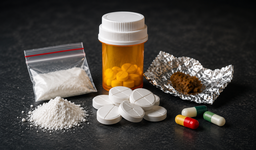
Drug and Substance Awareness
Cost: £15.00
Drug and Substance Awareness Course Overview
This course provides healthcare professionals with the knowledge and skills to recognise, respond to, and manage drug and substance misuse within healthcare settings. It focuses on patient safety, safeguarding, legal responsibilities, professional boundaries, and referral pathways. The programme aligns with UK legislation, NHS guidance, safeguarding requirements, and best practice for health and social care staff.
Learning Outcomes
By the end of this course, learners will be able to:
• Define substance misuse and dependency.
• Identify commonly misused substances and their effects.
• Recognise signs and symptoms of drug and alcohol misuse.
• Understand the impact of substance misuse on physical and mental health.
• Apply relevant UK legislation and professional responsibilities.
• Recognise safeguarding concerns linked to substance misuse.
• Respond appropriately to disclosure and suspected misuse.
• Understand dual diagnosis and co-occurring mental health conditions.
• Record, report, and escalate concerns appropriately.
• Signpost individuals to specialist support services and treatment pathways.
________________________________________
Module 1: Introduction to Substance Misuse
• Definitions of substance use, misuse, dependence, and addiction
• Understanding substance misuse in healthcare settings
• The prevalence of substance misuse in the UK
• Impact on individuals, families, communities, and healthcare services
• Stigma and barriers to seeking support
Module 2: Types of Drugs and Substances
Depressants
• Alcohol
• Benzodiazepines
• Opioids
Stimulants
• Cocaine
• Crack cocaine
• Amphetamines
• Methamphetamine
Hallucinogens
• LSD
• Psilocybin
Cannabis Products
• Cannabis
• Synthetic cannabinoids
Emerging and Novel Psychoactive Substances
• Spice
• Nitrous oxide
• New psychoactive substances (NPS)
Prescription Medication Misuse
• Opioid painkillers
• Sedatives
• Pregabalin and gabapentin
Practical Activity
• Substance identification exercise
Module 3: Effects of Substance Misuse
Physical Effects
• Cardiovascular effects
• Respiratory complications
• Liver disease
• Neurological impairment
• Overdose risks
Psychological Effects
• Anxiety
• Depression
• Psychosis
• Mood instability
• Cognitive impairment
Social Effects
• Family breakdown
• Employment difficulties
• Homelessness
• Criminal exploitation
Module 4: Recognising Signs and Symptoms
Behavioural Indicators
• Changes in mood and behaviour
• Aggression
• Withdrawal from activities
• Poor attendance
Physical Indicators
• Bloodshot eyes
• Tremors
• Needle marks
• Poor personal hygiene
• Slurred speech
Clinical Indicators
• Frequent injuries
• Medication-seeking behaviour
• Repeated admissions
• Unexplained deterioration
Module 5: Alcohol Awareness
• Understanding alcohol misuse
• Binge drinking versus dependency
• Alcohol withdrawal syndrome
• Alcohol-related health conditions
• Brief interventions and advice
• Alcohol screening tools
Module 6: Dual Diagnosis
• Understanding dual diagnosis
• Links between substance misuse and mental illness
• Depression and substance misuse
• Anxiety disorders and substance misuse
• Psychosis and substance misuse
• Challenges in assessment and treatment
Module 7: Safeguarding and Vulnerable Groups
• Adult safeguarding responsibilities
• Child safeguarding considerations
• Domestic abuse and substance misuse
• Exploitation and county lines activity
• Vulnerable adults and capacity issues
• Professional responsibilities
Module 8: Legal and Professional Responsibilities
Key Legislation
• Misuse of Drugs Act 1971
• Health and Safety at Work Act 1974
• Human Rights Act 1998
• Mental Capacity Act 2005
• Care Act 2014
Professional Duties
• Duty of care
• Confidentiality
• Information sharing
• Record keeping
• Escalation procedures
Module 9: Responding to Concerns
• Approaching difficult conversations
• Managing disclosures
• Risk assessment principles
• Documentation requirements
• Escalation procedures
• Professional boundaries
Module 10: Treatment, Recovery and Support Pathways
• Brief interventions
• Harm reduction principles
• Referral pathways
• Community treatment services
• NHS and local authority services
• Recovery support networks
• Multi-agency working
Module 11: Substance Misuse in Healthcare Settings
• Impact on patient safety
• Medication diversion risks
• Workplace substance misuse
• Fitness to practise concerns
• Supporting colleagues
• Reporting concerns appropriately
Course Duration: Approximately 3 hours
Certification
Upon successful completion, learners receive a certificate in Drug and Substance Awareness for Healthcare Professionals.
Refresher training is recommended every 1 to 3 years or sooner where organisational policies require updates