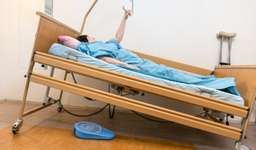
Manual Handling & Moving of People & Inanimate Objects Half Day (Level 1 & 2) CSTF
Cost: £55.00
Manual Handling Training Half Day CSTF Level 1 and 2This face-to-face manual handling training course is designed for healthcare and care staff who support patients, residents or service users with movement, mobility and safe handling tasks. It covers manual handling of people and inanimate objects, helping staff reduce injury risk while working safely and confidently in real care environments.
The course is suitable for staff who need practical manual handling training aligned with CSTF Level 1 and 2 requirements. It is especially relevant for healthcare workers, care assistants, nurses, support workers, agency staff, community carers, residential care staff and domiciliary care staff.
This course starts at 9am and takes approximately 3.5 hours. Training locations include Birmingham, London, Leicester, Bristol, Leeds and other available course locations shown when booking.
Who This Manual Handling Course Is For
This training is commonly attended by:
- Nurses
- Healthcare assistants
- Care workers
- Support workers
- Agency healthcare staff
- Community carers
- Mental health staff
- Residential care staff
- Domiciliary carers
- Staff who move or support people as part of their role
If your work involves assisting people with mobility, repositioning, transfers, equipment use, or handling objects safely, this course is designed to give you practical awareness and safer working techniques.
What Is Manual Handling?
Manual handling means transporting or supporting a load by hand or bodily force. In healthcare, that can include helping a person stand, sit, walk, transfer from a bed to a chair, reposition in bed, or move safely with support. It can also include moving inanimate objects such as equipment, boxes, furniture, supplies or clinical items.
Manual handling in healthcare is different from general workplace lifting because staff may need to support people with reduced mobility, pain, confusion, disability, illness or changing levels of independence. Good training helps staff assess risk, communicate clearly, use safer techniques, and know when equipment or additional support is needed.
What You Will Learn
The course covers practical and theory-based elements of manual handling and moving people safely. Topics include:
- Principles of safer manual handling
- Manual handling of people in healthcare and care settings
- Moving and handling of inanimate objects
- Safe lifting, carrying, pushing and pulling principles
- Reducing strain on the back, shoulders and joints
- Supporting people with reduced mobility
- Risk awareness before moving or repositioning a person
- Team communication during moving and handling tasks
- Use of appropriate equipment where required
- Understanding when a task should not be attempted manually
- Responsibilities of staff and employers in reducing manual handling risk
Face-to-Face Practical Training
This is a face-to-face manual handling course, making it suitable for staff who need practical training rather than online theory only. The session gives learners the opportunity to discuss real workplace scenarios and practise safer approaches used in healthcare and social care environments.
Practical training is especially valuable where staff support people with movement, mobility or transfers. It helps learners understand not only what to do, but why safer technique, communication, positioning and risk assessment matter.
Manual Handling of People
Healthcare staff may need to assist patients or service users with everyday movement. This can include standing, sitting, walking, repositioning, transferring, or moving with equipment. These tasks can create risk for both the person being supported and the staff member carrying out the movement.
The course explains how to approach people-handling tasks with dignity, safety and awareness. Learners consider the person's mobility, comfort, ability to cooperate, environment, equipment needs and the safest way to complete the task.
Moving and Handling of Inanimate Objects
Manual handling also includes the movement of non-living objects such as boxes, furniture, supplies and healthcare equipment. These tasks can still cause injury if carried out with poor posture, awkward movement, excessive force or lack of planning.
The course covers safer handling principles for inanimate objects, including planning the task, checking the route, avoiding unnecessary lifting, using assistance where appropriate, and reducing strain during lifting, carrying, pushing or pulling.
Why Manual Handling Training Matters in Healthcare
Manual handling injuries are a major risk in healthcare and social care. Poor technique, rushing, unsuitable equipment, lack of communication or attempting unsafe movements can contribute to back injuries, muscle strain and harm to patients or staff.
UK employers have duties to manage manual handling risk and provide suitable information, instruction and training where staff may be exposed to handling risks. For healthcare providers, manual handling training supports safer practice, staff confidence, patient dignity and organisational compliance.
CSTF Level 1 and 2 Alignment
This course is designed for healthcare staff who need CSTF Level 1 and 2 manual handling training. It supports the knowledge and practical awareness expected of staff working in clinical, care, agency and support roles.
The course is suitable for workers who need to understand manual handling risk, safer movement principles, and the difference between handling people and handling inanimate objects.
Manual Handling Training Certificate
After completing the course, learners receive evidence of training that can support employer records, agency requirements, healthcare compliance checks and continuing professional development. Certification helps demonstrate that staff have completed structured manual handling training relevant to their role.
Face-to-Face or Online Manual Handling Training?
Train Healthcare offers both face-to-face and online manual handling training. This half-day course is the practical face-to-face option and is best suited for staff who need hands-on training in moving people and handling tasks.
Online manual handling training can be useful for learning principles, risk awareness and safer working responsibilities. Face-to-face manual handling training is stronger where staff physically support people, because learners can practise technique, receive trainer feedback and correct unsafe habits before applying the training in a real care setting.
If you need a lower-cost online theory course, Train Healthcare also offers an online CSTF Manual Handling and Moving of People and Inanimate Objects Level 1 and 2 course.
Online course URL:
https://www.trainhealthcare.com/courses/cstf-manual-handling-moving-of-people-inanimate-objects-level-12/
Book Manual Handling Training
Book this face-to-face manual handling training course if you need practical CSTF Level 1 and 2 training for healthcare or care work. Select an available date and location to reserve your place.
Frequently Asked Questions
What is manual handling training?
Manual handling training teaches staff how to move, support, lift, carry, push or pull safely. In healthcare, it includes moving and handling people as well as inanimate objects such as equipment and supplies.
Who needs manual handling training?
Healthcare assistants, nurses, care workers, support workers, agency staff, community carers and residential or domiciliary care staff may need manual handling training if their role involves supporting people with mobility or handling objects at work.
Is this manual handling course face to face?
Yes. This is a face-to-face half-day manual handling course with practical elements for healthcare and care staff.
How long does the course take?
The course starts at 9am and takes approximately 3.5 hours.
Is this course suitable for CSTF Level 1 and 2?
Yes. This course is designed for staff who need CSTF Level 1 and 2 manual handling training covering moving people and inanimate objects.
What is the difference between this course and the online course?
This course is the practical face-to-face option. The online course is a lower-cost theory option for learners who need online CSTF manual handling training.
Is online manual handling training enough?
Online training can support awareness and theory, but face-to-face training is recommended where staff physically move or support people. Practical training allows unsafe technique to be identified and corrected.
Does the course include moving people?
Yes. The course covers manual handling and moving of people, including safer movement principles for healthcare and care environments.
Does the course include handling objects?
Yes. The course also covers safer handling of inanimate objects such as equipment, supplies, boxes and other non-living loads.